
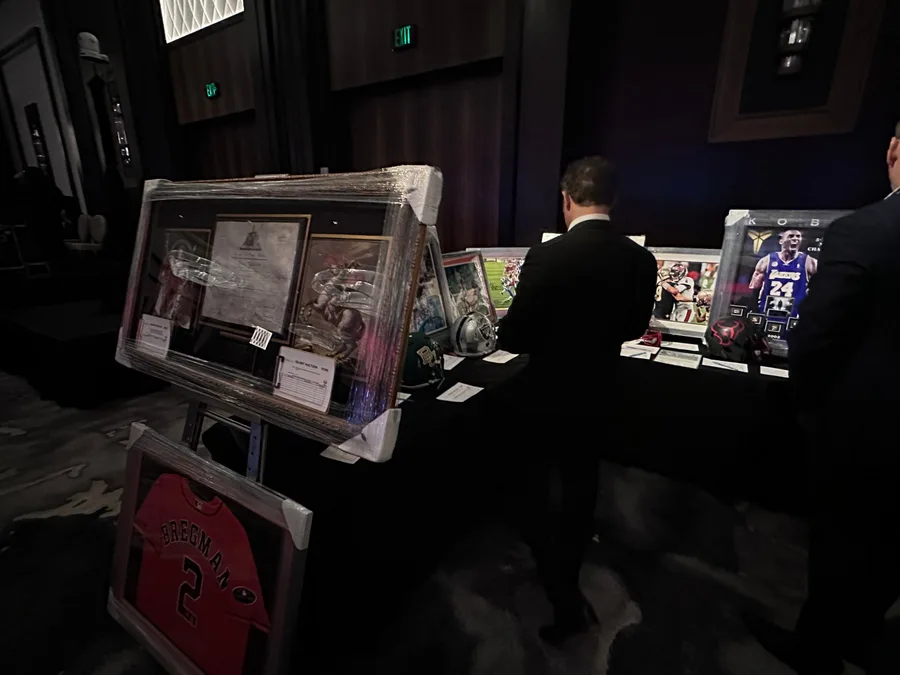
Choose who collects payment.
Your organization can handle auction payments and receive an invoice for the reserve prices of sold OFG items. Alternatively, ask about full checkout services for the auction. Clarify the scope, payment methods, and responsibilities before advertising the event.
Keep the distinction between gross bids, the reserve payable, and the proceeds retained by your organization clear in your records.
Give every sale a clear next step.
Some physical items may leave with the winner; other items and experiences need a separate delivery or redemption process. Confirm the instructions for each lot. Guests should leave knowing what they bought, what happens next, and whom to contact.
- Match the winning bidder to the correct lot.
- Confirm payment before releasing an item.
- Provide the applicable redemption or delivery instructions.
Make reporting useful to your team.
With full checkout, you receive bidding activity, buyer information, and your proceeds on the schedule agreed for your event. Use buyer data only for the purposes and permissions agreed with your guests.
A short debrief helps identify which items drew attention and which operational details should change next year.
Two ways to organize the close.
Choose the arrangement before the catalog opens. The payment owner, the person confirming a sale, and the person releasing an item should be working from the same record.
| Arrangement | How to prepare |
|---|---|
| Your organization collects payments | Confirm your payment process and buyer records. OFG invoices the reserve prices of sold items. Agree how you will report sales and resolve payment exceptions. |
| Full checkout by arrangement | Discuss OFG’s optional checkout service, the collection it covers, reporting, buyer information, proceeds settlement, and timing in the proposal. |
| Either arrangement | Confirm all agreed charges, who communicates with winners, and who is responsible for physical delivery or experience redemption. |
Build a record that follows each lot.
A useful checkout record connects the lot number, approved description, winning amount, bidder identity, payment status, and fulfillment status. Add the applicable reserve for a consignment item and identify whether the purchase is collected in the room, shipped, or redeemed later.
Avoid treating a winning-bid notification as proof of payment. Staff releasing an item need an agreed way to verify that the buyer has completed the required payment step. A simple, shared status prevents the finance lead and the collection team from making different assumptions about the same purchase.
Prepare an exception route before there is a queue.
Most checkouts are straightforward. A separate route for unresolved cases lets the rest of your guests leave comfortably.
- An unanswered payment: identify who contacts the buyer and when the item may be released.
- A disputed bid: keep the original record and refer the decision to the authorized event lead.
- A winner leaving early: agree collection or delivery without losing the payment trail.
- A large or fragile item: confirm packing, vehicle access, and any separate delivery arrangement.
- An experience purchase: provide the correct redemption instructions and support contact.
Turn the final report into something useful.
Gross auction sales, reserve amounts payable, agreed costs, and net proceeds are different measures. Keep them distinct so the organization can describe its fundraising accurately and understand which choices worked. Do not count an unresolved payment as money already received.
The debrief should also capture unsold lots, uncollected items, and open winner questions. Assign an owner and next action to each. When everything is reconciled, preserve a committee handover record: which categories drew interest, where the process slowed, and what next year’s team should repeat or change.
A clear plan starts with a conversation.
Tell us about your guests, your event, and the responsibilities you would like help with.
Discuss checkout arrangements