
Create a range of ways to participate.
School auctions often feature meaningful local donations, family experiences, and contributions from the school itself. Consignment items can add variety without replacing those community connections. Consider a range of interests and budgets instead of making every lot a premium purchase.
Discuss your guest profile with OFG. An event for current parents may need a different mix than an alumni benefit or foundation gala.
Make volunteer handovers simple.
School committees change. Keep one shared record of item descriptions, restrictions, minimum bids, ownership, and the person responsible for fulfillment. Confirm who can approve the collection and who will collect payments.
- Separate school donations from OFG consignment inventory.
- Share package terms before tickets and catalogs are promoted.
- Arrange a clear checkout process for busy families.
Protect next year’s committee from guesswork.
After the event, record which categories drew interest and where guests needed help. Keep the agreed financial terms with the event records. Your nonprofit pays only for OFG items that sell, but every item still needs a clear owner for communication and closeout.
Plan for a community with different ways to give.
A school auction may bring together parents, grandparents, alumni, staff, and local businesses. Some people want a shared experience; others are looking for a tangible item or a practical local donation. A range of interests matters as much as a range of starting bids.
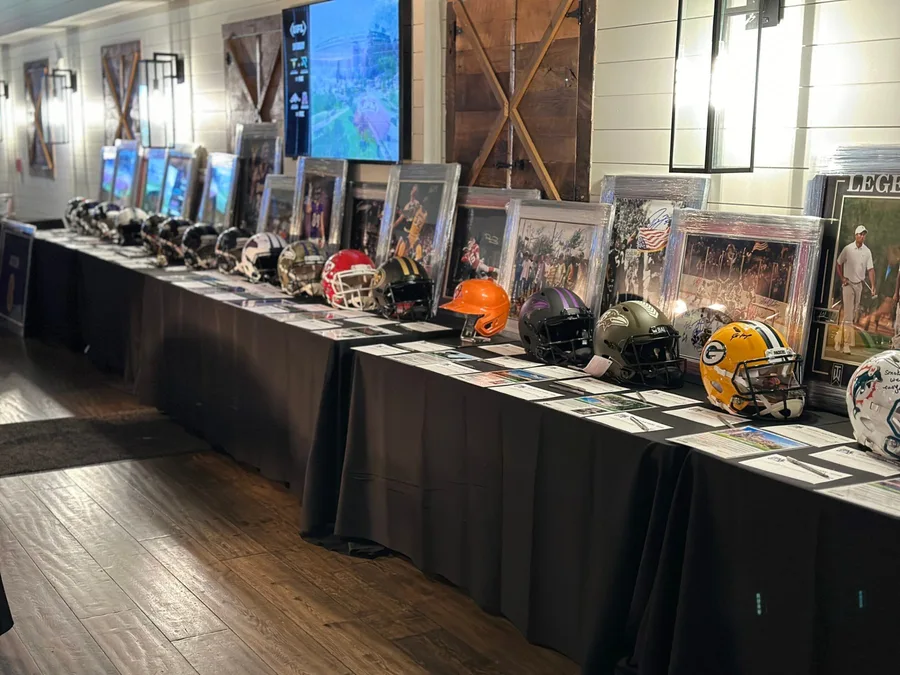
Review your donated collection before adding anything. School-created experiences and community contributions often have a connection that cannot be replicated by a catalog. Consignment can fill a particular gap, such as a travel experience or a collectible for an interested group of guests, while allowing the school’s own contributions to remain prominent.
Build a handover that survives a committee change.
Volunteer time is valuable, and the next committee should not have to reconstruct the event from inboxes. Keep a shared working record with clear access and one owner for each decision.
| Record | What the next person needs |
|---|---|
| Item register | Lot number, donor or provider, approved description, conditions, minimum, and the contact who can answer questions. |
| Responsibility list | Who approves items, creates listings, handles money, supervises volunteers, and releases purchases. |
| Event schedule | Delivery, setup, browsing, bidding close, checkout, and removal times. |
| Closeout notes | Sales, reserves or costs, unsold items, unresolved questions, and lessons for next year. |
Avoid last-minute surprises for families.
Review experiences from the winner’s point of view before they go into the catalog.
- Check whether travel dates conflict with school calendars or have booking limitations.
- Explain group sizes, age limits, and adult participation requirements where relevant.
- Confirm the arrangements for any school-hosted donation with the school itself.
- Give family-sized purchases a clear collection or redemption process.
- Use the school’s approved privacy and communication practices for bidder information.
Give volunteers a short, usable briefing.
A volunteer does not need to memorize every package. They need to know where the current terms are, how guests bid, who can answer a difficult question, and when to escalate a payment or collection issue. A one-page role brief is more useful on the night than a long email chain.
When you speak with OFG, explain the event format and the support your volunteers already provide. We can discuss the proposed collection and which event tasks belong in the service arrangement. That clarity helps your committee reserve its energy for the school community.
Let’s shape your event together.
Share your event format, guest profile, and the support your team would welcome. A date or venue can still be undecided.
Discuss your school fundraiser