
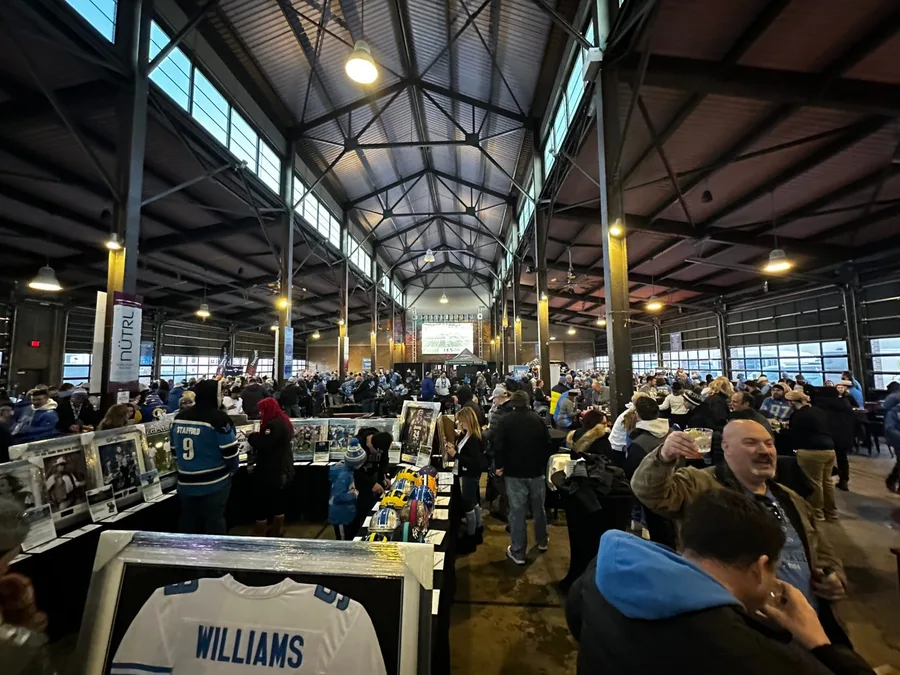
Clarify the beneficiary and the audience.
Corporate events may serve a partner nonprofit, a company foundation, or a community initiative. Explain who benefits and how the auction arrangement works. Select items for the people attending rather than relying only on the company’s industry or location.
OFG can discuss a collection that complements donated sponsor items and the format of your event.
Align with your internal process.
Check procurement, gift, brand, and payment policies before promoting packages. Some organizations have specific requirements for employee participation or external vendors. A clear internal owner can keep those decisions from becoming last-minute obstacles.
- Identify the event lead and beneficiary contact.
- Confirm the wording used in invitations and auction materials.
- Agree who receives the auction report and handles follow-up.
Keep participation comfortable.
Offer clear information and a range of interests without pressuring guests to bid. Make help available for registration and checkout. After the event, thank participants for supporting the cause and report results using the agreed financial definitions, distinguishing bids from net proceeds.
Decide whose evening you are designing.
An employee fundraiser, client reception, industry dinner, and company foundation gala can all be corporate charity events, but the guests may have different expectations. Identify who is attending, who benefits, and whether the auction is the main activity or one part of a larger gathering.
Build participation around choice. Not every guest will bid, and not every bidder will be interested in premium experiences. A considered mix of donated and consignment items can provide different points of interest without making the room feel like a sales meeting. Keep the charitable purpose clear in the host’s welcome and the auction materials.
Agree responsibilities across the company and charity.
Use the planning conversation to establish which organization owns each decision. Your existing internal policies should guide approvals.
| Decision | People to involve |
|---|---|
| Beneficiary and message | The charity and event owner should agree how the cause and use of proceeds are described. |
| Supplier arrangement | The authorized contracting and finance contacts should review the collection, reserves, and agreed service scope. |
| Participation and hospitality | Ask your internal policy owner about any requirements relevant to employees, clients, or invited partners. |
| Payment and records | Confirm which entity collects funds, maintains bidder records, settles sold items, and follows up with winners. |
Make the collection fit the gathering.
Use practical audience questions before choosing categories.
- Are guests local, or will many need to travel home with a purchase?
- Is this an evening reception, a conference break, a seated dinner, or an employee event?
- Which interests are represented beyond the event’s industry or corporate theme?
- How much uninterrupted browsing time does the schedule provide?
- Are there internal approvals for promoted experiences, gifts, or the use of company branding?
Separate a successful auction from a clean financial report.
Both matter, and they need different preparation. An engaging display helps guests discover the collection; a clear reporting arrangement helps the company and beneficiary understand the outcome. Agree how auction sales, item reserves, other event costs, and charitable proceeds will be recorded.
After the event, resolve winner questions before distributing final results. Use confirmed figures in communications and distinguish an auction purchase from a direct donation. OFG can discuss collection and support options with your event owner and the appropriate charity contact.
Let’s shape your event together.
Share your event format, guest profile, and the support your team would welcome. A date or venue can still be undecided.
Discuss your corporate fundraiser