
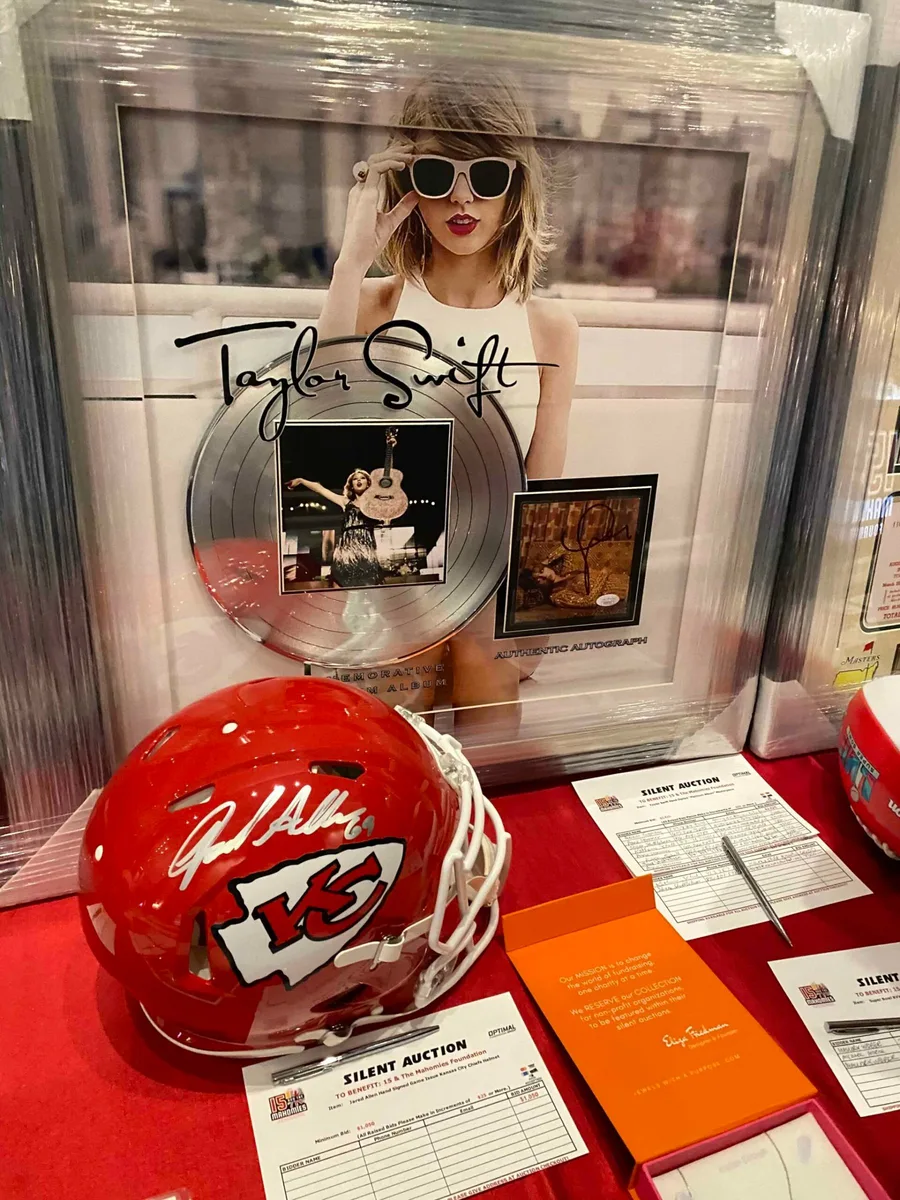
Give remote guests the full picture.
A photograph and a title are not enough for someone who cannot inspect the display. Include an accurate description, current terms, minimum bid, and delivery or redemption information. Use more than one view where the physical condition or presentation matters.
Make it clear which photographs show the specific item and which are illustrative. Confirm the offer before opening bidding.
Agree the technology and responsibilities.
Tell OFG which platform you intend to use and whether bidding will happen before, during, or after an in-person event. Mobile bidding support must be scoped around that setup. Confirm which team manages registration, support, closing, and payments.
- Publish the closing time with its time zone.
- Check the experience on a phone and a desktop.
- Provide a contact route for bidders who are not at the venue.
Plan fulfillment beyond the venue.
Remote winners cannot collect an item at the checkout table. Confirm shipping eligibility, costs, timing, and any restrictions before they bid. For travel, provide the written redemption steps and support contact. Keep the final sales record aligned with the payment and fulfillment teams.
Design one understandable offer for two kinds of guest.
Someone standing beside a display can ask a question or examine a framed piece. A remote bidder depends on the listing. Give both guests the same essential information: the actual item, condition or inclusions, material restrictions, payment arrangements, and how the purchase reaches the winner.
Use clear photographs and consistent lot numbers across the room and the platform. If an item cannot be shipped or an experience requires travel to a specific place, say so before bidding. A remote guest should not have to discover a collection-only condition after winning.
Resolve the differences before opening bids.
A hybrid auction should have a single authoritative result, even if guests interact with it in different ways.
| Issue | Decision to document |
|---|---|
| Timing | Opening and closing time with an explicit time zone; how any change is communicated to both audiences. |
| Competing records | How in-room and remote bids enter the official system; who resolves any conflict. |
| Guest assistance | A contact route for remote bidders as well as the help point inside the venue. |
| Delivery | Where each item can go, who arranges shipment, and which costs or collection requirements apply. |
| Payment | Accepted process, payment deadlines, and how the organization follows up on an incomplete purchase. |
Review a listing without the room around it.
Ask someone unfamiliar with the auction to read a sample lot on a phone. Their questions can reveal information the committee has taken for granted.
- Can they tell exactly what is included and what is excluded?
- Can they find the important dates and restrictions before placing a bid?
- Can they identify the minimum, bid increment, and closing time?
- Can they tell whether the purchase is shipped, collected, or redeemed?
- Can they find a real contact for help without attending the event?
Prepare the close for people in different places.
A remote winner may not see an announcement or be available when the venue closes. Agree the notification, payment, and fulfillment steps before opening. Keep the winning record, buyer contact, and item status together so a shipment is not lost between the auction and office teams.
Tell OFG which platform you intend to use, whether there is an in-person component, and where you expect bidders to participate from. Current item terms and your platform’s capabilities will shape the options; support and integration responsibilities belong in the event agreement.
Let’s shape your event together.
Share your event format, guest profile, and the support your team would welcome. A date or venue can still be undecided.
Discuss your online or hybrid auction