
Start with what you know.
Ask your event and development teams about guest interests, prior bidding, and practical travel preferences. Look for a range of interests and budgets so different guests can find something that appeals to them.
Share the overall audience profile, expected attendance, venue, and event format with OFG.
Look for variety with a reason.
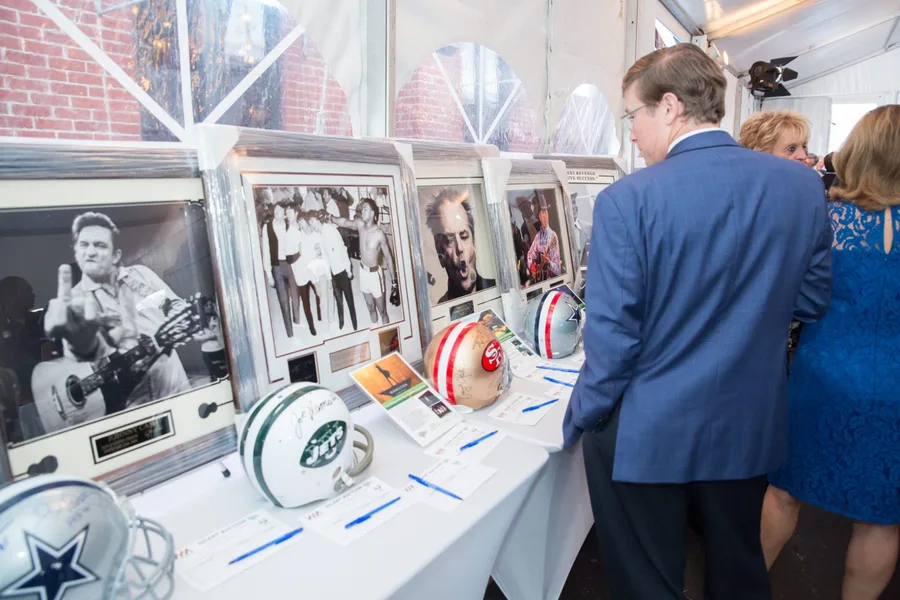
Travel, sports, culinary experiences, memorabilia, and art each invite different kinds of attention. You do not need every category. Choose a mix that adds something to the donations you already have and can be presented clearly in the space.
Consider whether each lot suits silent bidding, a live introduction, or a different format. Avoid repeating near-identical items without an audience-based reason.
Check the practical fit.
Before selecting a package, review restrictions, booking windows, group sizes, and fulfillment. An appealing destination may be less useful if the likely bidders cannot travel within its terms.
- Would guests understand the appeal in a short description?
- Can the item be displayed or photographed clearly?
- Are restrictions visible before bidding?
- Can your team explain the next steps to a winner?
Give each proposed lot a reason to be there.
Use a simple review before the committee falls in love with a photograph or a famous name. You do not need a prediction of the winning bid; you need enough evidence to justify the choice.
| Selection question | Evidence to look for |
|---|---|
| Who might want it? | Past bidding, conversations with the event team, known interests, and the actual guest mix. |
| Can they use it? | Dates, location, travel requirements, group size, delivery, and restrictions that suit likely bidders. |
| What does it add? | A different interest, format, or participation level from the rest of the collection. |
| Can we explain it? | A complete description, clear imagery, documented conditions, and a reliable contact. |
| Can we manage it? | Display space, staff attention, payment arrangements, and a workable fulfillment process. |
Separate an attractive idea from a workable lot.
Imagine a committee considering a travel experience for an audience of parents. The destination may be appealing, but the booking window could conflict with school holidays or the package may accommodate only two people. That does not make the experience unsuitable everywhere; it means the audience and terms need to be considered together.
Now imagine a signed collectible for an alumni dinner. Its team connection may be relevant, yet the frame may be difficult for out-of-town guests to transport. A clear shipping arrangement could resolve that concern. Good selection identifies the practical obstacle while there is still time to choose a different item or explain the solution.
Ask for useful audience information.
Start with event-level observations and information your organization is already entitled to use. You rarely need detailed personal profiles to make a thoughtful selection.
- Which categories drew bids at previous editions of this event?
- Which lots prompted questions about dates, travel, dimensions, or delivery?
- How many guests are returning, and how has the event format changed?
- Will guests attend individually, as families, as sponsor tables, or in another pattern?
- Which donations already have a strong connection to this community?
Review the collection as a whole.
Once individual lots look promising, put them side by side. Check whether several compete for the same small group, whether too many require fixed-date travel, or whether the collection offers little for guests interested in physical items. The goal is a coherent range of choices, not a quota in every category.
Then review the catalog through a first-time attendee’s eyes. Can someone quickly find a few appealing lots and understand what they would receive? If the committee needs to explain every item personally, improve the descriptions or reduce the complexity before opening bids.
Bring your questions. We’ll start there.
Tell us what you have in place, what you are still deciding, and where your team needs support.
Discuss items for your guests