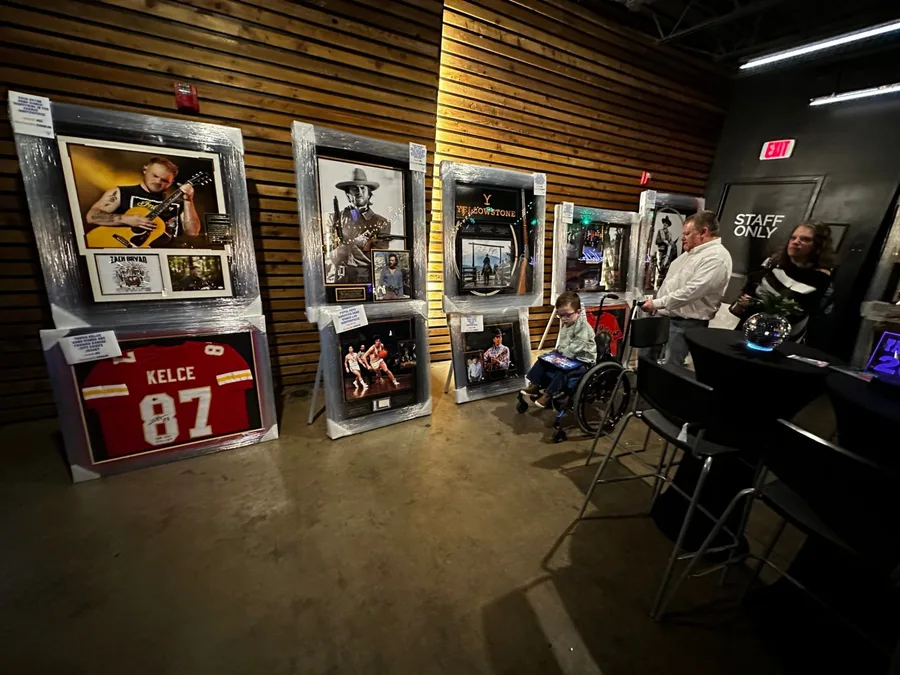
What donated items bring.
Donated items can reflect the relationships at the heart of your community: local businesses, supporters, and opportunities unique to your organization. They can also require time to solicit, collect, describe, and fulfill. Keep track of any conditions attached to the donation.
Select donations with your guests’ interests in mind, alongside their estimated values.
What consignment can add.
Consignment can supplement that collection with travel, experiences, or memorabilia that may be harder for your committee to source. OFG’s program does not require you to purchase the inventory upfront, and unsold items cost nothing. Sold items have an agreed reserve payable to OFG.
Compare net proceeds and staff effort, not just the final winning bids. Make the commercial arrangement clear to your planning team.
Build a collection with purpose.
Review your donated items first, then identify gaps in interests, price points, or presentation. A curated supplement can be more useful than adding many similar lots.
- Keep community favorites with strong audience appeal.
- Use consignment to add genuinely different choices.
- Give each item enough space and a clear description.
- Review the mix against your audience’s interests and previous bidding.
Compare the work as well as the financial model.
Both types of item require a clear offer, a suitable audience, and a plan for the winner. The difference is how the item is sourced and what is payable when it sells.
| Consideration | Donated item | Consignment item |
|---|---|---|
| Acquisition | A supporter or business contributes the item or experience. | A provider supplies an item under agreed sale terms. |
| Amount retained | No provider reserve, though fulfillment or event costs may still apply. | The accepted sale less the agreed reserve and any applicable agreed costs. |
| Procurement effort | Outreach, donor coordination, and collection of accurate terms. | Selection and approval of the proposed offer and its terms. |
| Audience connection | May have strong local, institutional, or personal relevance. | May add a category or experience unavailable through the existing donor network. |
| If it does not sell | Follow the donor agreement and your organization’s policy. | Unsold OFG items cost nothing; confirm the return arrangements. |
Start with the donated collection you already have.
Group the donations by interest and practical format. You might have several restaurant certificates, a school-created experience, a local service, and a weekend stay. Look for duplication, missing information, and categories that appear to have little connection to the likely guests. This review can improve the auction before you add a single consignment lot.
Next, identify a specific gap. A room with several travel-minded supporters and no travel offering may justify a conversation. A collection with many sports lots and limited browsing time may need fewer additions. The question is what a proposed item contributes, not whether it makes the total catalog look larger.
Use the same selection standard for every item.
Being free to acquire does not make an item effortless to sell. Review donated and consignment lots with the same attention to the guest experience.
- Is there a plausible group of interested bidders in this audience?
- Can the offer be described accurately without unresolved conditions?
- Does it add a new reason to participate or duplicate several existing lots?
- Can the team display, administer, and fulfill it within the event’s resources?
- Is the minimum appropriate to the agreed terms and the intended bidding format?
Protect relationships while editing the collection.
If a donated item does not fit the auction, discuss alternatives with the donor through your organization’s normal process. Do not silently change the offer, combine it with another item, or promise a different use without permission. The way you handle a contribution matters beyond its sale price.
For consignment, keep the proposed collection deliberate and ask questions before approving it. A smaller selection of well-understood lots can be easier for guests to explore and for the committee to manage. Review the final mix together so the donated items and consignment additions each have a clear role.
Bring your questions. We’ll start there.
Tell us what you have in place, what you are still deciding, and where your team needs support.
Discuss your existing collection